the immortal king rao
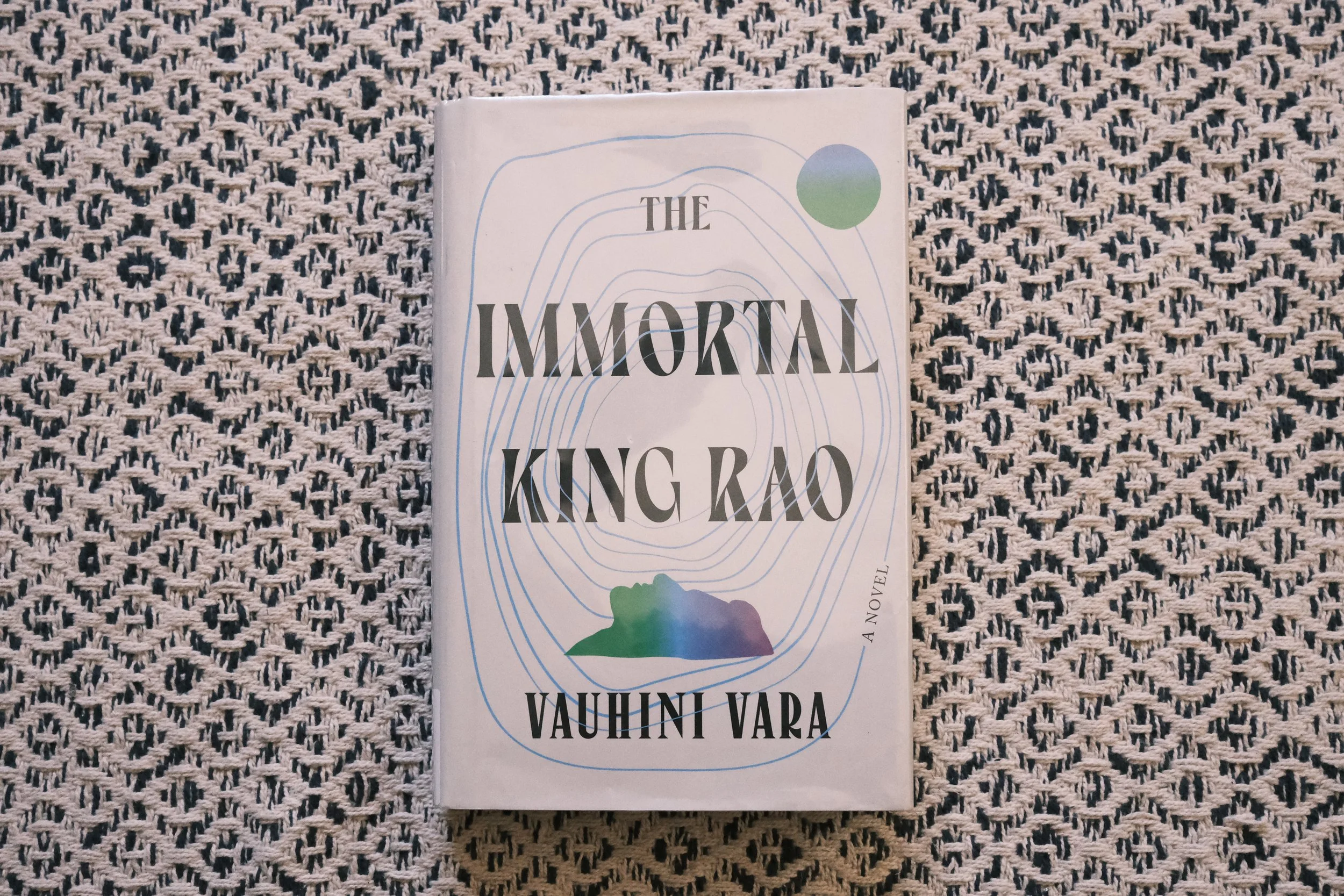
We can recognize the value of technology as a public utility: its promise and capacity to provide access to information and opportunity, to outsource certain tasks, to increase living standards, to take better care of the earth and help heal its inhabitants. But as technology plays an ever increasing role in our lives, new complex issues regarding ethics, distribution of power, and human purpose permeate our social discourse and demand our attention.
Technology can be weaponized to distract and divide populations for the private absorption of wealth and resources, and the consolidation of power. It can help spread misinformation much faster and more easily than previously possible (rendering my printing press useless!), which reduces trust in institutions, sows political division, and encourages crises of individual identity. It will continue to alter workforce composition, and if we are unable to adapt (as many “developed” nations have for centuries when new tech displaces skilled laborers) and present either job opportunities in new fields or a more rational relationship with work, economic disparity and resentment will continue to grow. Fulfillment will become more elusive and isolation will become more common.
Technology is a tool that, like the mind, can be utilized either as a wonderful servant or become a terrible master. If its potential and power is left in the hands of the elite few, without proper regulation, the author warns that it is not difficult to envision a future that includes the replacement of nation-states with a board that governs using an algorithm, a social credit system combined with free market capitalism, “immortality” via memory card, capitulation to climate change and its enablers… the beauty of human connection will become the misery of humans forcibly connected in order to benefit the few.
Or (perhaps) we will experience something far worse. As an omnipresent, omniscient, and omnipotent entity, what fate will AI determine for humanity come Judgment Day?
notes:
nice use of nonlinear narrative
illustrates the struggles of Dalit life in India and challenges for the Indian diaspora, weaves together the personal and the political to argue in favor of the practical
please, take me back to the days of the Zune